Who We Are

Brightwell Motors provides body repair and refinishing services across the United Kingdom for vehicles affected by road incidents or corrosion. Our work covers straightening, panel replacement, surface preparation and painting, delivered within an inspection-led process. Each project begins with a damage assessment and a cost calculation, after which timelines are agreed with the vehicle owner. We operate transparently and focus on structure rather than promises: information about methods, materials and sequencing is shared before any work starts. Outcomes depend on a range of factors, so potential effects are discussed in context, without guarantees. This approach is intended to offer clarity about what happens at each stage and how decisions are reached.

A cluttered workbench in an automobile garage with tools, oil cans, and maintenance products.

Damage Types and the Assessment Stage

Body repair encompasses a range of technical procedures addressing structural and cosmetic damage. After road incidents, common issues include deformed panels, misaligned frames, and compromised paint layers, while corrosion typically manifests as rust formation along seams, edges, and undercarriage areas. Assessment is a foundational step that identifies the extent of damage, determines necessary repair methods, and informs cost calculation. The scope of work and final results depend on the severity of damage, vehicle construction, and other external factors, so each case requires individual evaluation before any repair begins.

How the Repair Process Is Structured

Mechanic wearing safety gear operates a grinder in an industrial garage setting.
  • Structured Damage Inspection

    Initial assessment identifies affected panels, corrosion extent, and surface condition before any work is planned.

  • Cost Calculation

    A detailed estimate is prepared based on inspection findings, outlining parts, labour, and materials.

  • Agreed Timelines

    Work schedules are discussed and confirmed with you, reflecting scope and workshop capacity at the time.

  • Sequenced Repair Stages

    Repairs follow a defined order: panel replacement, surface preparation, and painting, each stage building on the previous.

What Customers Say About Their Repair Experiences

Daniel Hayes

My rear quarter panel had corrosion after a kerb scrape. The team at Brightwell Motors explained the panel replacement and paint matching steps, and the finish held up well over the following months.

Sophie Marchant

After a low-speed collision, I needed front-end repairs. The inspection and cost estimate were clear, timelines were discussed upfront, and the result reflected that agreed scope though it’s my personal experience only.

Owen Prentice

Corrosion around the wheel arches on my older car was treated and repainted. The preparation and paint work followed the stated process, and the outcome suited my car’s condition and age.

How Damage Assessment Works

The process begins with a detailed inspection of the vehicle to identify the type and extent of the damage. This includes reviewing affected panels, surface condition and any underlying structural points that may influence the repair approach. A cost calculation is then prepared based on the findings, outlining the estimated scope of work. Before any work is scheduled, the calculation and proposed timelines are discussed and agreed with the vehicle owner. This structured approach is intended to provide clarity about the steps involved, with schedules and outcomes depending on factors such as parts availability, vehicle condition and workshop capacity.

An indoor auto repair shop with a covered car, tools, and equipment visible.

Repair Categories and Their Applications

Within vehicle body repair, several distinct methods are used depending on the nature and extent of the damage. Panel straightening is a technique for reshaping deformed panels using specialised tools; it is generally considered when the panel's structure remains substantially intact and the deformation is within repairable limits. Panel replacement is the fitting of new or salvaged panels in place of those that cannot be economically or safely straightened; it is typically weighed when damage is severe or repair would compromise structural integrity. Surface preparation involves cleaning, sanding and priming to create a suitable base for subsequent coatings; it is a prerequisite for any painting process. Painting applies the topcoat and clear coat to restore appearance and protection; it is performed after surface preparation and under controlled conditions. The appropriateness of each method is assessed during an initial inspection and may depend on factors such as panel accessibility, corrosion, material type and vehicle manufacturer specifications, with costs and timeframes agreed beforehand according to Brightwell Motors procedures.

How the Repair Process Is Structured

  • 01

    Damage Inspection

    A detailed assessment of the vehicle's body and paint condition is carried out to identify all affected areas.

  • 02

    Cost Calculation

    Based on the inspection findings, a transparent cost estimate is prepared, outlining the required materials and labour.

  • 03

    Timeline Agreement

    The expected duration is discussed and agreed, with schedules tailored to the specific scope of damage and workshop capacity.

  • 04

    Repair and Painting Execution

    The agreed work is performed, including panel replacement or straightening and surface preparation, followed by painting.

Frequently Asked Questions About the Repair Process

  • How is damage assessed before repair work begins?
    An initial inspection identifies affected panels, corrosion, and structural points. Findings are documented and used to define the scope of rectification and painting.
  • How is the cost of body repair and painting calculated?
    Cost is based on assessed damage extent, required parts, labour hours, and paint materials. A written estimate is provided before work starts.
  • How are repair timelines agreed?
    Timelines are set after the estimate is approved and consider parts availability, workshop scheduling, and repair complexity. They are confirmed in writing.
  • What factors can influence the repair process?
    Factors include hidden damage, parts lead times, paint drying conditions, and insurance approvals. These may affect duration and final cost.
  • Can corrosion affect the scope of work?
    Corrosion may extend beyond visible areas, requiring additional preparation or panel replacement. The scope is adjusted after further inspection.
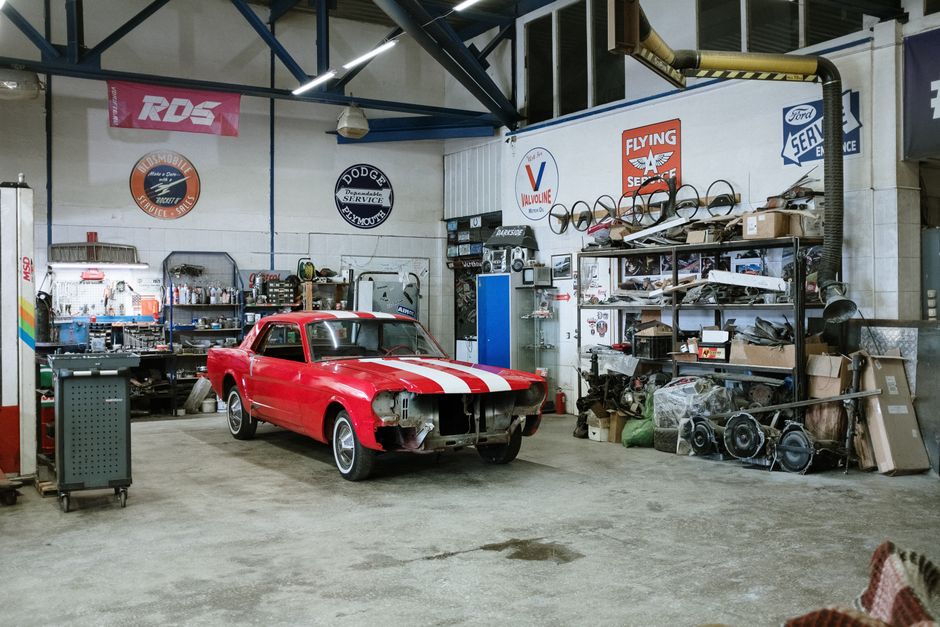
A vintage red car undergoing restoration in a well-equipped workshop with various tools and auto parts.

The Surface Preparation and Painting Stage

This stage focuses on the methods used to prepare panels before refinishing and to apply paint. The approach begins with an assessment of the existing surface condition, which informs decisions on cleaning, sanding, and the treatment of minor defects such as scratches or corrosion. The scope of preparation and the painting process are then aligned with the agreed work plan for the vehicle, which may include partial or full-panel refinishing. This structured method aims to support consistency between the preparation carried out and the subsequent paint application, with the specific steps determined by the condition of each panel and the confirmed scope.

Approaching Corrosion in Body Repair

Corrosion is a common consideration in body repair, particularly for older vehicles or those exposed to road salt. During the initial inspection, technicians assess rust and oxidation, mapping affected areas. Treatment options range from chemical conversion and protective coatings to cutting out and replacing severely compromised panels. The appropriate scope depends on the extent of corrosion, panel accessibility, and the vehicle’s structural design, so repair plans are developed case by case after assessment.

Painting Workflow

  • 01

    Surface Evaluation

    Assessing the vehicle's surface condition, including damage extent and existing paint quality, to inform planning.

  • 02

    Surface Preparation

    Cleaning, sanding, and masking areas to create a suitable base for paint adhesion and uniform finish.

  • 03

    Paint Application

    Applying paint in controlled conditions using spray equipment, following product specifications and safety standards.

  • 04

    Verification

    Inspecting the painted surface for consistency and defects under appropriate lighting before final reassembly.

Visual Documentation of Body Repair and Painting

A gallery of photographs illustrating common body repair and painting tasks, including panel alignment, surface preparation, and refinishing stages. Images are provided for general reference and do not imply specific outcomes.
Two mechanics working on restoring a classic car in an auto garage with ample lighting.
A mechanic diligently working on a car part in a tool-filled garage.
Detailed view of an open car hood in a mechanic workshop with a mechanic blurred in the background.
An empty, rustic car workshop featuring tools, machinery, and car lifts in an industrial setting.

How Costs and Timescales Are Established

Pricing is an estimated range shaped by several interacting factors: the classification, depth and extent of damage, the repair methods judged appropriate, and the specific panels, parts and paint materials needed. Timelines are discussed individually after an inspection has clarified these elements. Preliminary figures therefore serve as indicative figures only, and final scope, cost and scheduling are formalised once actual condition and required parts availability are assessed.

How the Service Framework Is Structured

Brightwell Motors follows a structured framework for collision repair, corrosion treatment and vehicle painting. Each job begins with an inspection-based assessment of the damage, corrosion or paint condition. From these findings, a transparent cost calculation is prepared, outlining the methods involved, such as panel replacement, straightening, surface preparation or refinishing. Timelines are then discussed and agreed before work begins. Execution follows the agreed scope and occupies defined stages. Throughout the process, information centres on methodology rather than promised results, as outcomes depend on damage severity, parts availability and other external factors.

Close-up of a workshop with safety gear, grinder, and toolbox on a metal surface.

How the Repair Process Is Organised

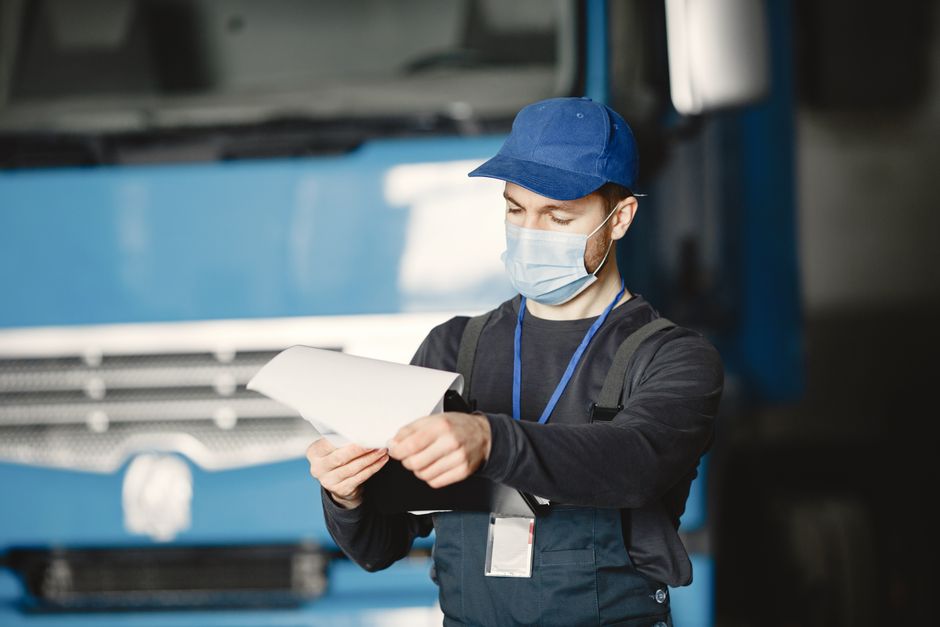
Mechanic wearing blue cap and face mask reviewing documents in auto workshop.
  • Clear Inspection Stages

    Initial assessment identifies damage extent and informs subsequent steps of the repair framework.

  • Documented Cost Calculation

    A written breakdown of expected costs is provided before any work is agreed or scheduled.

  • Agreed Scheduling

    Work timelines are discussed and confirmed in advance, allowing for coordinated planning and communication.

  • Defined Repair Methods

    Specific techniques for panel work, surface preparation, and painting are outlined within the process. Outcomes may vary depending on individual circumstances.

Brightwell Motors – request a damage inspection and cost calculation

Based in the United Kingdom, we use an inspection-based process to assess collision damage and corrosion, and to calculate restoration costs within agreed timescales.

Send an enquiry about damage inspection

We use cookies

We use cookies to ensure the proper functioning of the website, analyze traffic, and improve your experience. You can accept all cookies or reject them β€” the site will continue to operate. For more details, read our Cookie Policy.